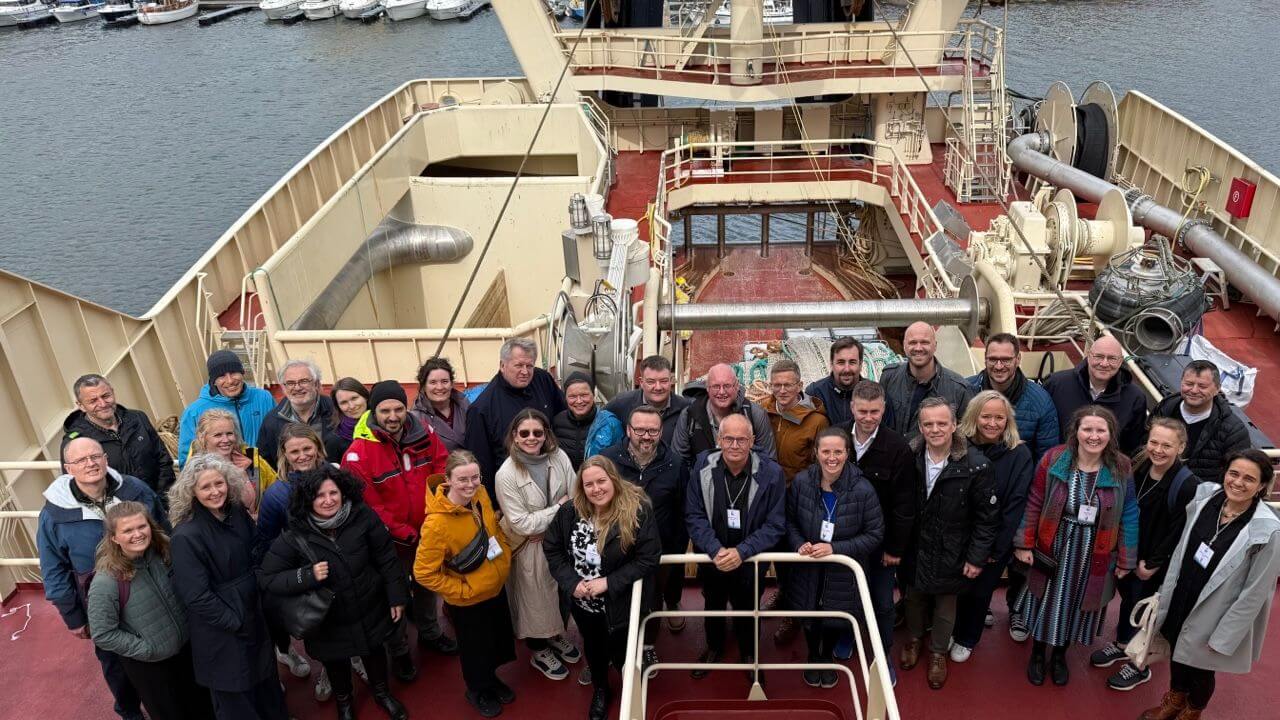
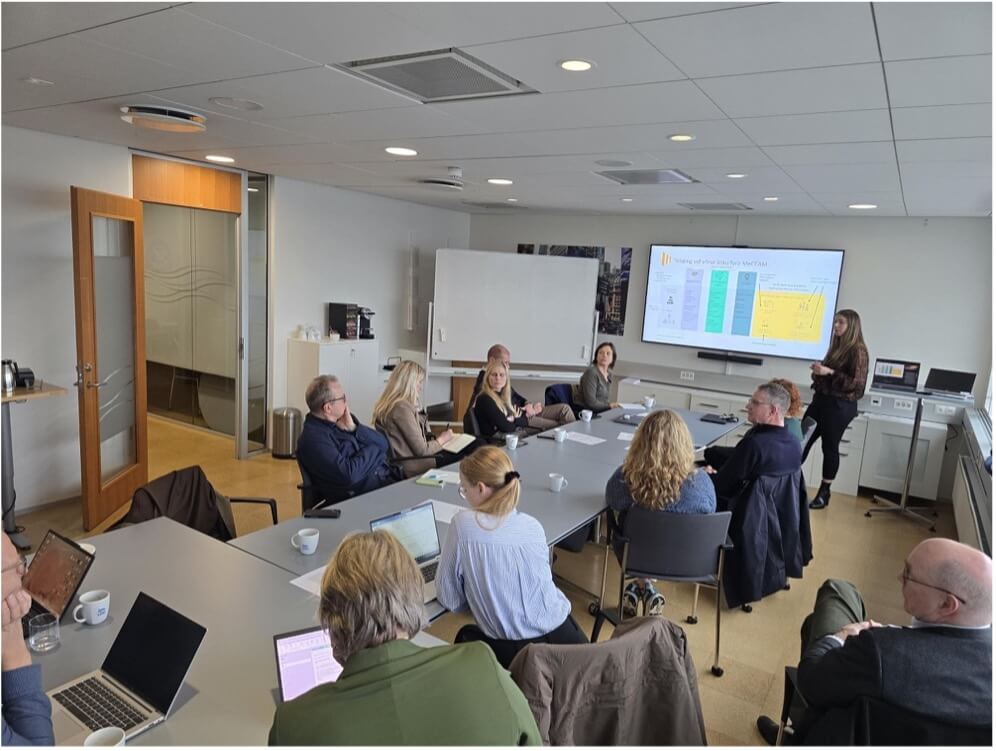
From the 5th to the 7th of May 2026, MeCCAM partners gathered in Rhodes, Greece, for focused discussions, coordination, and collaboration across our six European case studies.
Day 1 – Case Studies & Prototypes Updates
The meeting opened with welcomes from the Directorate General of Fisheries, local representatives, and the MeCCAM coordination team, followed by updates from all six case studies and MeCCAM’s prototypes.
The afternoon external session brought valuable perspectives from Alkistis Parpoura (Directorate General of Fisheries), Michalis Margaritis (WWF Greece), Stefanos Kalogirou (Agricultural University of Athens, MeCCAM project), Natacha Carvalho (European Environment Agency), Konstantinos Tsagarakis (Hellenic Centre for Marine Research, Infinifish project), and Margot Angibaud (Europêche). Discussions addressed ecological and economic climate impacts, the rise of non-indigenous species in the Mediterranean, policy integration, and the importance of collaboration between science, industry, and decision-makers.
Day 2 – Implementation & Alignment
Day two focused on presenting and stress-testing MeCCAM’s concrete outputs. Partners reviewed integrated climate mitigation and adaptation plans for the case studies, demonstrated the climate-informed advice prototypes, and discussed recommendations for managing shifting fish stocks.
We also examined how these tools translate into practice: from policy briefs and reporting frameworks to evaluating key exploitable results. Dedicated interaction sessions between work packages and case studies ensured that prototypes are technically sound, regionally relevant, and ready for implementation.
Day 3 – Coordination & Next Steps
The final day addressed coordination, communication, financial and administrative planning, and feedback from the External Advisory Group to refine the project’s next steps.
It also moved discussions beyond theory. During a harbour visit, partners tasted lionfish, rabbitfish and other non-indigenous species (NIS) spreading across the Mediterranean. The experience reflected a core theme of the Greece Case Study: exploring how ecological challenges can become adaptive market opportunities.
The Rhodes meeting marked a clear step forward in translating climate research into operational tools and collaborative action for more resilient European fisheries.
Now we move into the next phase!